IMPORTANT: If your dog struggles to get up and you’ve already tried the joint chews, read this first. We ranked the 5 things owners try most, and only one of them fixes the root of the problem.
He used to jump off the couch. Now he pushes up off the floor in slow motion, back legs sliding out, while you stand there and wait.
So you bought the joint chews. Maybe a softer bed and some rugs too. Nobody tells you that one reason a dog struggles to get up is a sound you hear in your house every day.
Why Getting Up Gets Harder
His joints are under constant pressure with every step.
Every time he stands up, his paws do the first job. They have to sit flat, grip the floor and hold his weight so his legs can push him up.
When something is wrong down at his paws, his hips and back legs have to do more of the work. Those joints wear down a little faster every day. Ignore it, and getting up only gets harder.
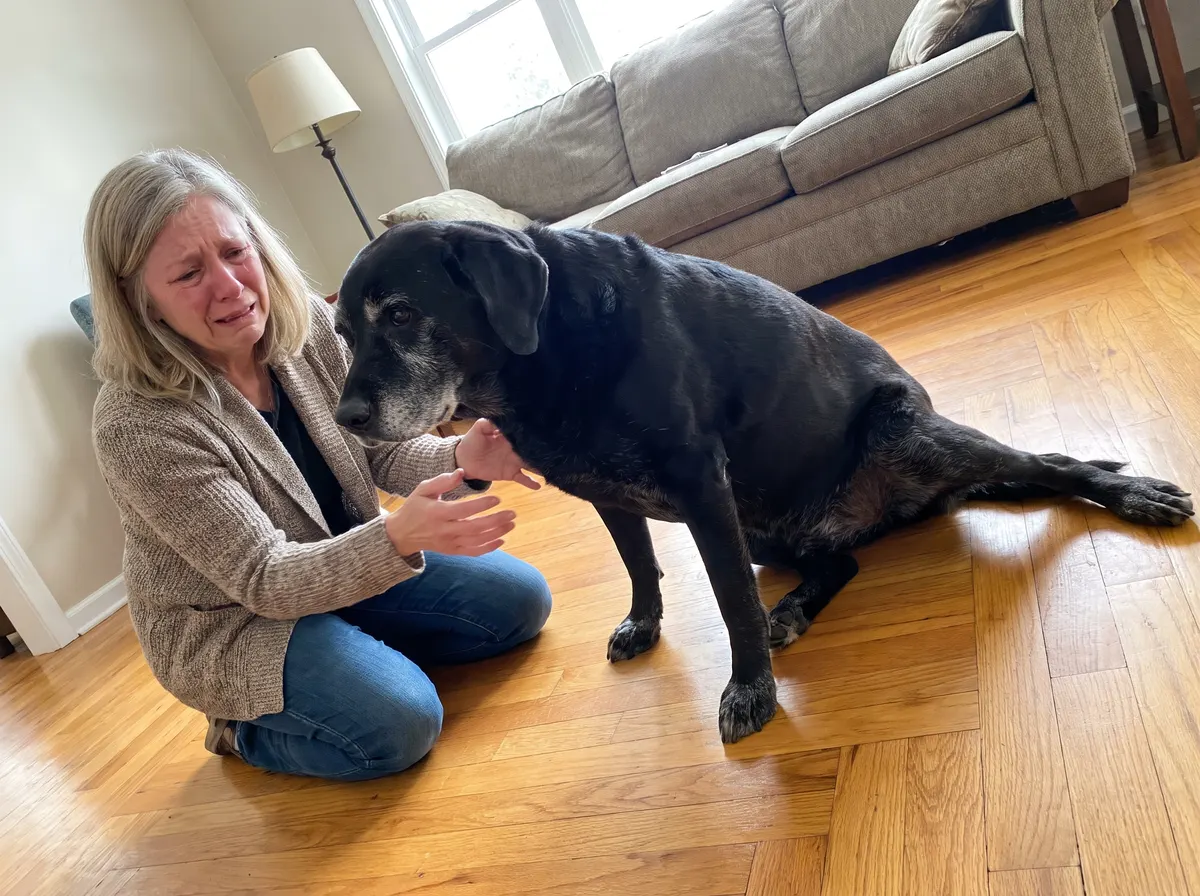
But none of this is your fault...
The vet looks at his hips, the pet store sells you a joint chew, and nobody tells you to look at the root of the problem.
You’ve tried the chews, the soft bed and the rugs, and he still struggles. Why? Because all of those work on his joints. None of them fix what’s putting extra pressure on his joints with every step.
The Sound You Hear Every Day
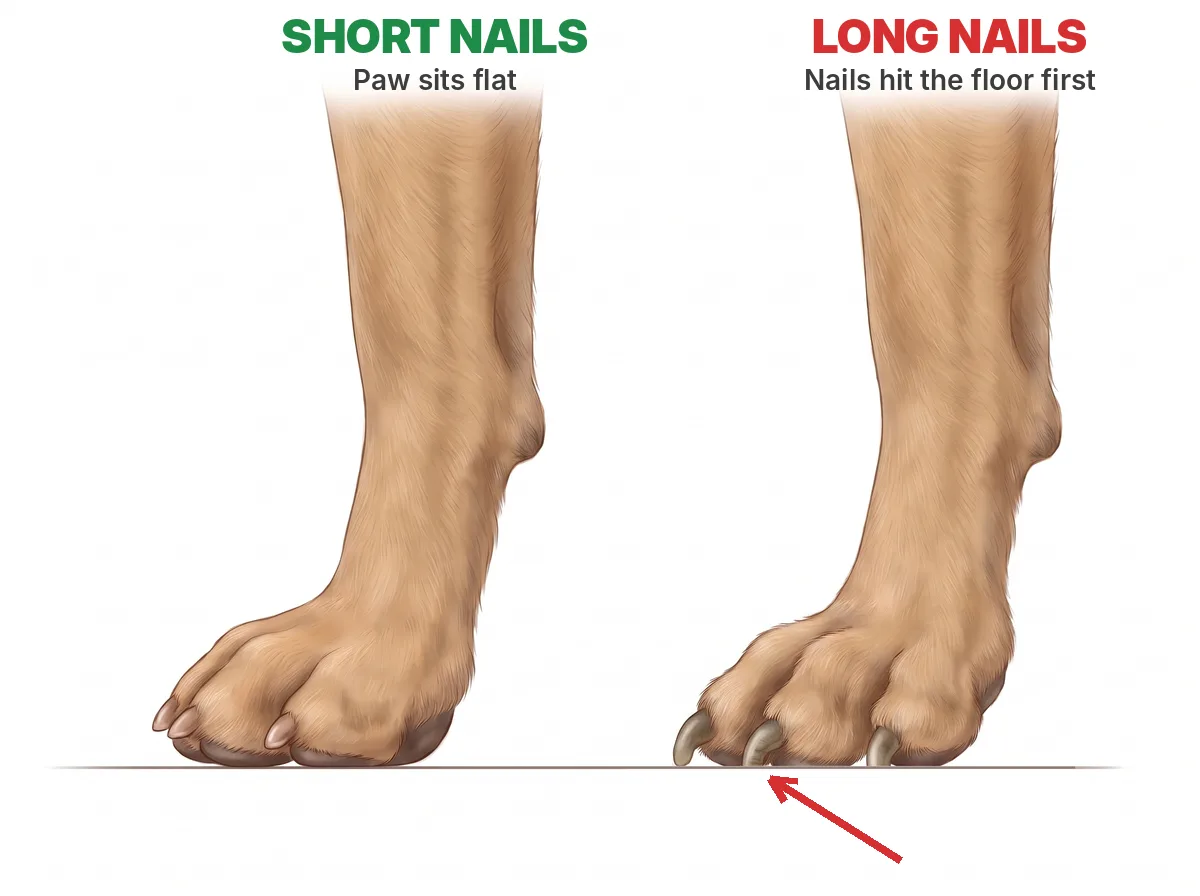
Listen the next time he walks across a hard floor. Hear that click, click, click? That’s his nails hitting the floor before his pads do.
A dog’s nails should only touch the ground when he’s climbing a hill. So when long nails touch a flat floor, his brain gets the wrong message.
“The neurologic signal from a long toenail contacting the ground is interpreted by the brain as an inclined ground surface.”AKC Canine Health Foundation, “Feet on the Ground”
His brain thinks he’s standing on a slope. He shifts his weight to stay balanced, and his back legs end up carrying too much of his weight on every step. His toes get twisted to the side too, and over time those toe joints can turn arthritic and painful.
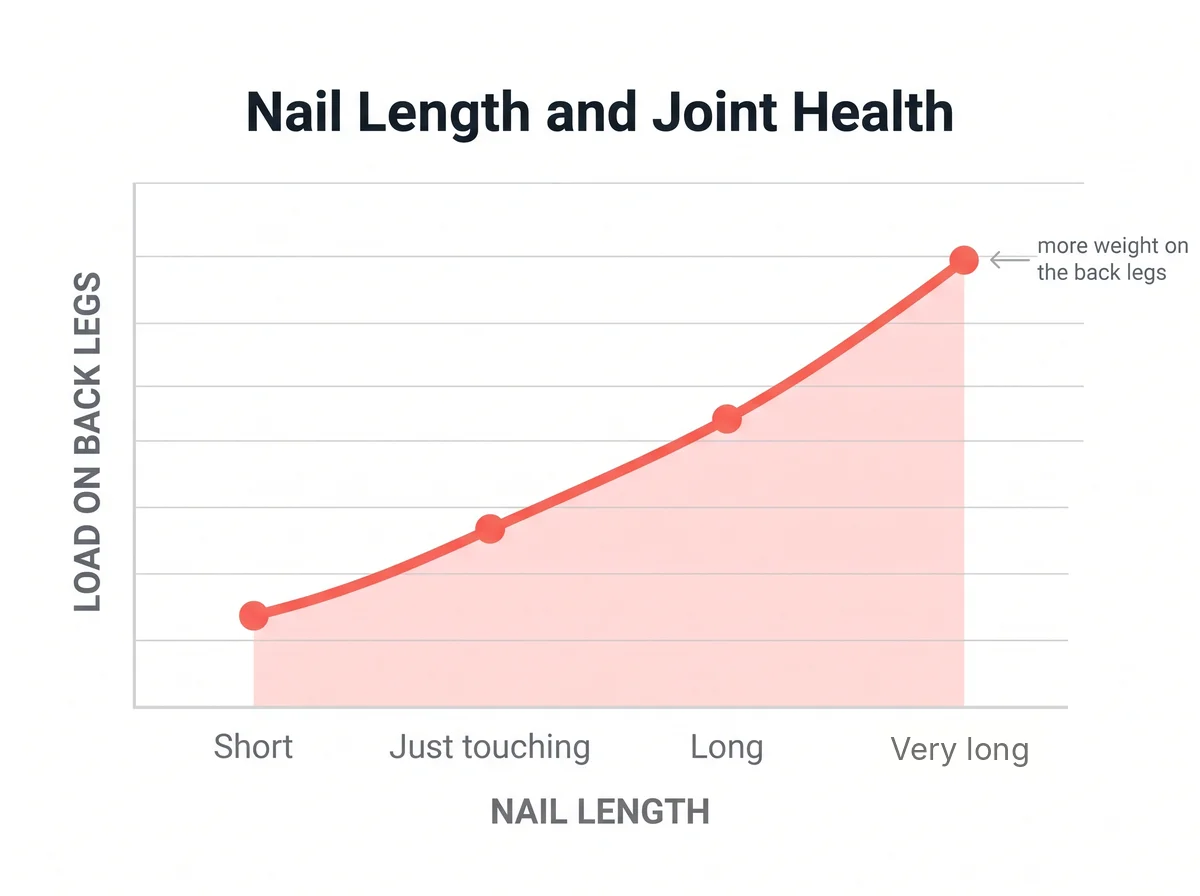
The longer his nails, the more weight lands on his back legs. (Illustration, not measured data.)
🐾 HOT TIP
Stand him on a hard floor and look at his paws from the side. If his nails touch the floor while he’s standing still, they’re too long. If they do, no joint chew will fix the root of the problem.
Why Nobody Tells You This
Joint chew brands don’t want you to know this, because it’s easier to sell you a new jar every month than to fix the root cause. And a lot of vets would rather sell you expensive joint diets and therapy sessions. The chews and the vet both make you a customer for life.
They don’t think you’ll ever check his nails.
What Shorter Nails Do for Him
The good news is this is one of the few causes you can actually fix. Get his nails off the floor, and his brain stops thinking he’s standing on a hill.
“Many animals who seem to be lame or weak behind can be helped enormously with just an effective nail trim.”AKC Canine Health Foundation, “Feet on the Ground”
His paw lands on its pads again, the way it’s built to, and the extra load comes off his back legs on every single step.
Short nails give him back
- ✓Paws that sit flat, with his toes straight
- ✓His weight back over all four legs
- ✓Better grip when he pushes himself up off a slippery floor
Why His Nails Stay Long Even After a Trim
You’ve probably noticed this already. You get his nails trimmed, and the next day you still hear that click on the floor. It’s like the trim never happened.
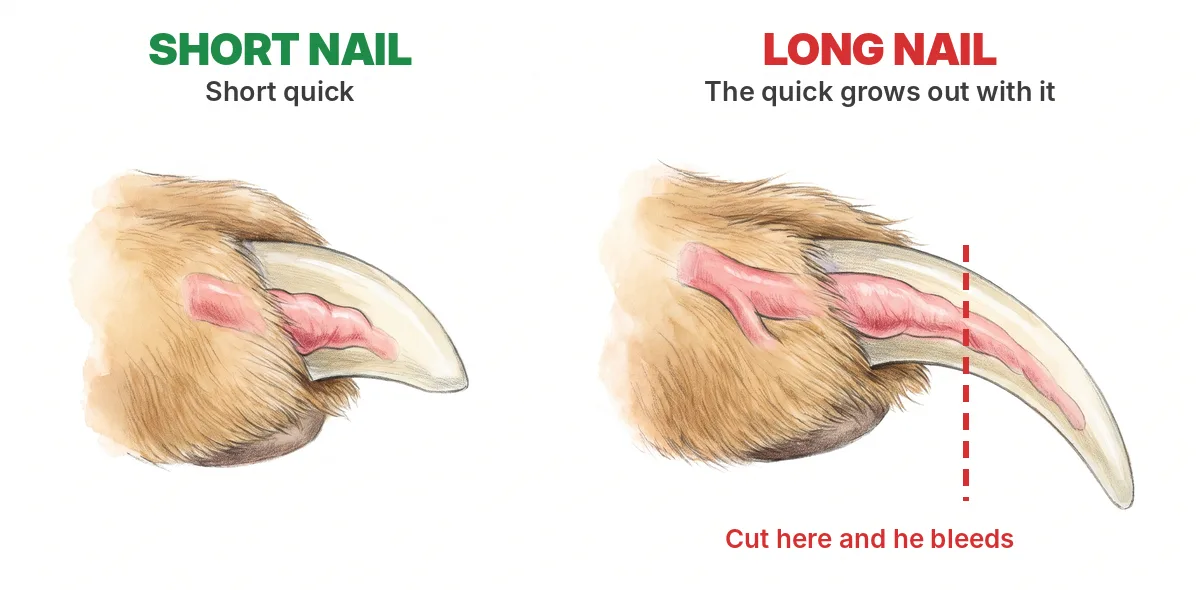
The culprit is the quick, the pink part inside the nail that bleeds.
When his nails stay long, the quick grows out with them, because the long nail keeps it covered and protected. So whoever trims them can only cut down to just before the quick. Go any shorter, and he yelps and bleeds. That’s why his nails still look long, even right after a trim.
“When toenail length is excessive, the quick grows longer, protected by the long nail.”AKC Canine Health Foundation, “Feet on the Ground”
The quick only shrinks back when a little of the nail comes off often, at least once a week. The average pet dog gets his nails clipped a couple of times a year, so the quick never moves back.
Clippers can’t keep up, because most dogs won’t give you a paw every week. A groomer every few weeks can’t either. The only way to take a little off every day, with no cutting, is letting your dog file his own nails.
How Dogs Kept Their Nails Short Before Clippers
For thousands of years, dogs never needed clippers. They spent their days running on rough ground and digging for food. Every step filed their nails down a little. So did every dig. Then we brought them inside and handed the job to clippers.
Before clippers, digging kept their nails short.
Your dog spends most of his day on carpet and smooth floors inside your home. Nothing in there files his nails, so they keep growing until they hit the floor.
“One of the main reasons senior dogs suffer from mobility problems is that their toenails are not maintained.”Dr. Julie Buzby, DVM, in an interview with The Grey Muzzle Organization
That’s why he has to file them himself. He just needs something rough to dig at, and a reason to do it.
How to Let Your Dog File His Own Nails
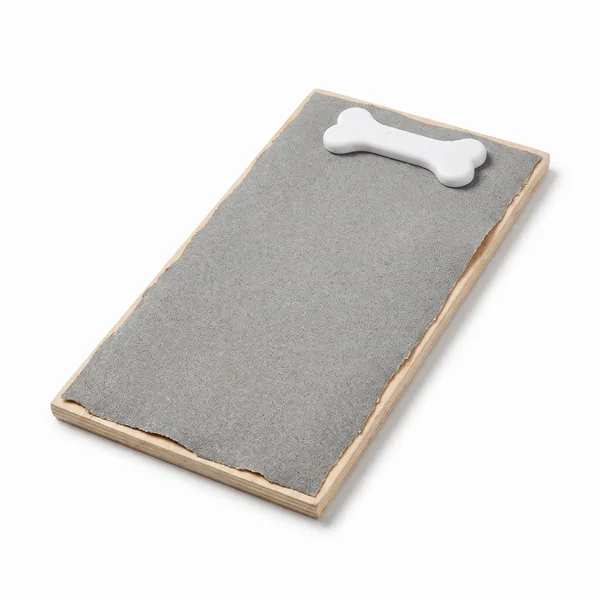
The best way to give him something rough to dig at inside your home is a scratch board. It lies flat on your floor and has a filing surface on top. He scratches it the same way he scratches at the door, and every scratch files his nails down a little.
He can use it every day, more often than any trim schedule, and nobody has to hold his paw. But only if he wants to. What makes him want to is a treat compartment he has to dig to reach. We compared the scratch boards owners buy most, and only one met our standard. Here’s what we looked for.
Top 5 mistakes owners make
- 1Treating the joint, ignoring the nails: a chew can’t make a nail shorter.
- 2Waiting on the groomer: a trim every few weeks never gets long nails short.
- 3Cutting them short in one go: you’ll cut into the quick, and he’ll bleed.
- 4Buying a scratch board with no treat compartment: he’ll sniff it once and walk away.
- 5Waiting for it to get worse: the longer you wait, the harder it is to get his nails short.
So, Are Joint Chews a Scam?
They’re not a scam. But for a dog whose nails touch the floor, a chew can’t fix the root of the problem. The pressure from his nails is still there on every step, and nobody selling chews is going to tell you to check his nails.
Every week his nails stay long, the quick grows out a little further, and it gets harder to get his nails short. Right now, he can still push himself up off the floor. Start while that’s still true.

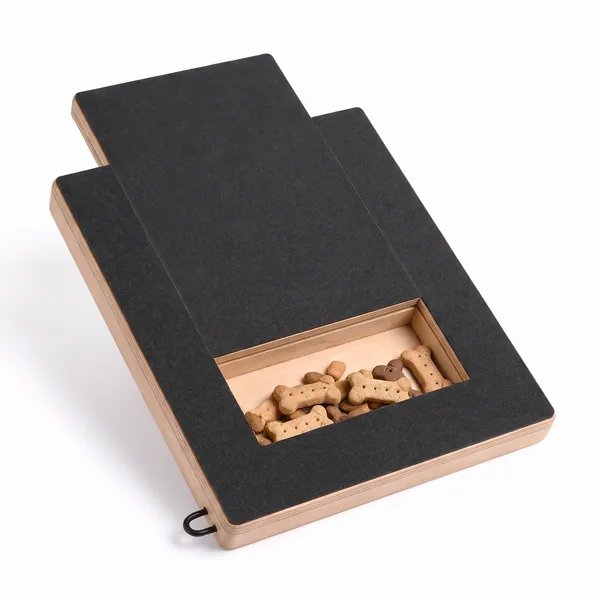
ClawBud Scratch Board
Today: $47.99 $71.99
Currently on sale for Black Friday
Shop Our Top Pick
🔒 90-Day Money-Back Guarantee · Free shipping
What Owners Say
★★★★★
“I've only used ClawBud for around 2 months but I'm genuinely impressed. I seriously don't know how I dealt with manual nail trimming for so long.”Xxavier G. · Verified Buyer
Questions Owners Ask
Should I stop his joint chews?
No. Keep anything your vet recommends. The scratch board works on a different problem, his nail length.
Will my dog actually use it?
He digs for the treat the same way he scratches at the door. Some dogs need a few days. Start with a small, smelly treat and let him watch you put it in.
How long until I see a difference?
He files a little every day, so his nails get shorter slowly over a few weeks. It comes with a 90-Day Money-Back Guarantee.
 #2 Plain scratch board
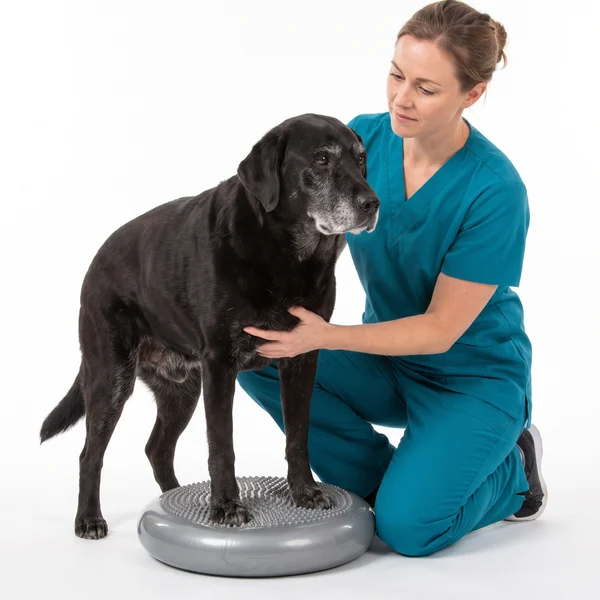 #3 Joint therapy
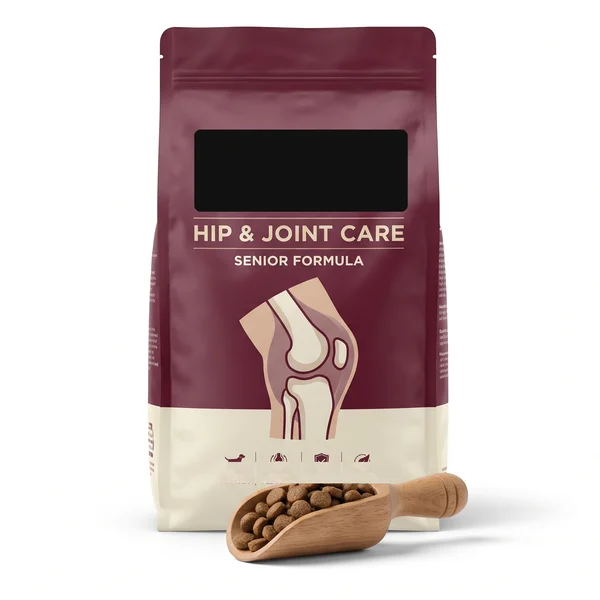 #4 Joint dog food
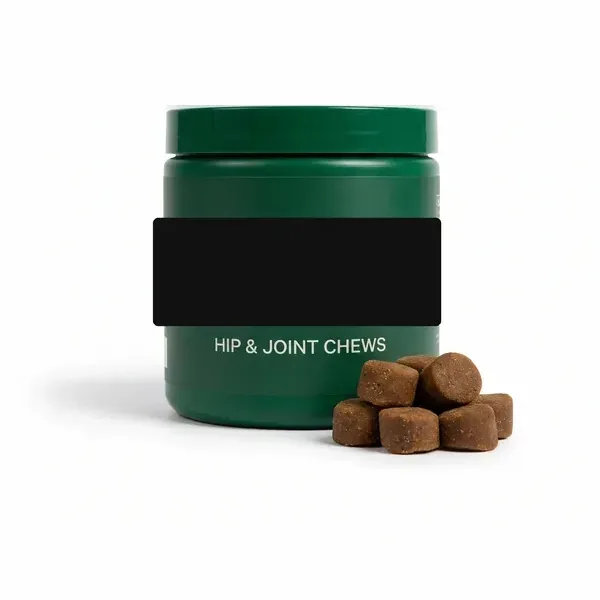 #5 Joint chewsDoesn’t fix the root cause